
ABA Therapy for Kids
Child ABA therapy has shown to be incredibly effective for kiddos diagnosed with autism spectrum disorder (ASD) from two to twelve years old, with symptoms ranging from mild to severe. ABA therapy can help children flourish by meeting the child on their level and enhancing developmental outcomes in playful ways.
At ABA Centers of Virginia, we know firsthand every child on the spectrum has fantastic talents and unique challenges. Our clients deserve the best in ABA care. As such, we never offer a one-size-fits-all approach to developmental ABA support.
We personalize every element of ABA therapy with an eye toward your child’s future goals and dreams. We promote their autonomy and participation in every aspect of their life. Unlike other ABA therapy providers, we believe in minimal intrusiveness and promote self-discovery whenever possible.
Board Certified Behavior Analysts (BCBAs) design ABA programs utilizing critical data to comprehend a child’s experience. With this knowledge and expertise, your child’s ABA practitioners optimize ABA interventions to address communication, social skills, and other productive behaviors that help children advance through life’s stages.
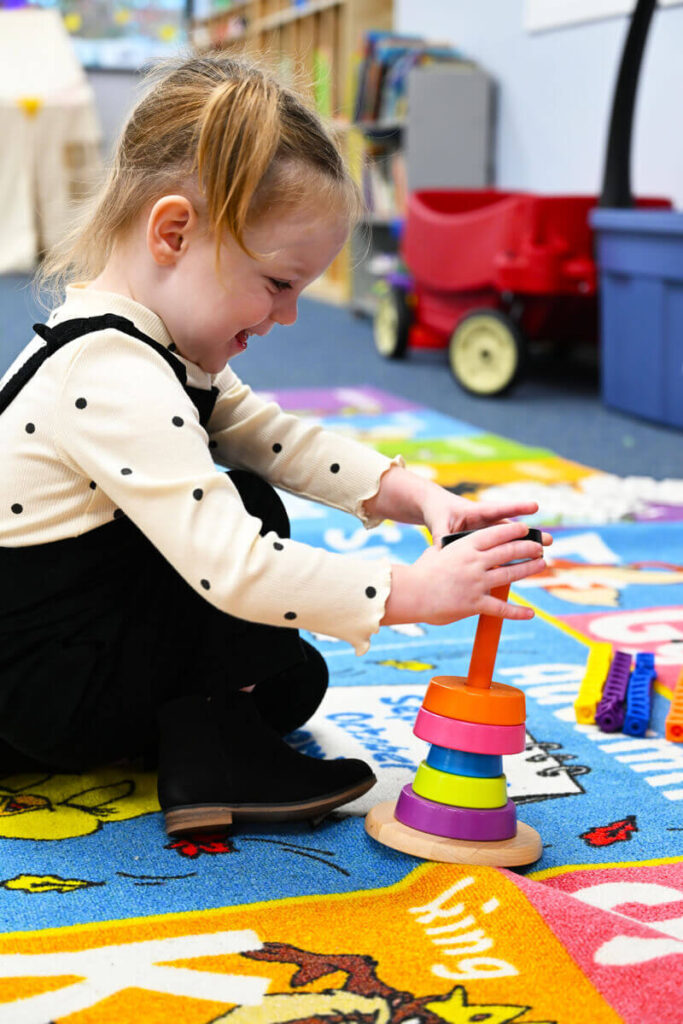
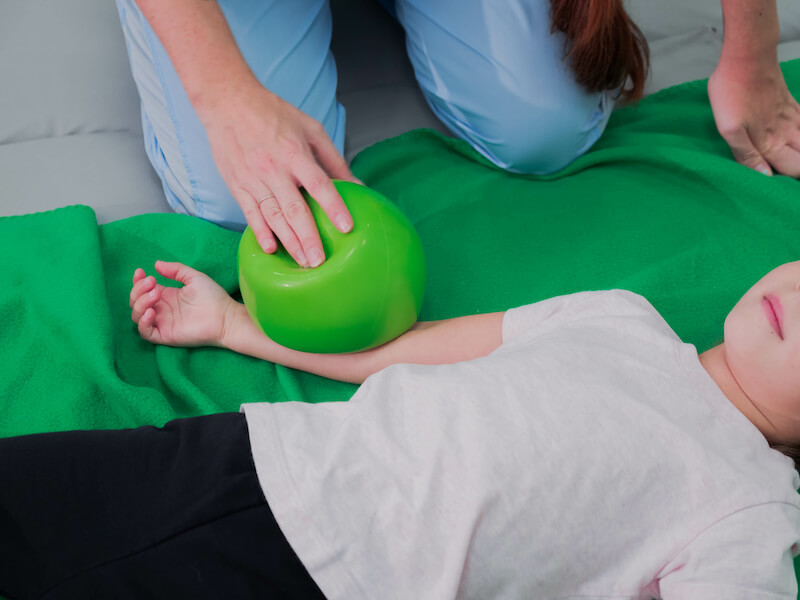
Next, your child’s Registered Behavior Technician (RBT) will help them complete their therapy hours across ABA sessions. All our ABA practitioners are licensed and pass exams from the Behavior Analyst Certification Board.
For toddlers and pre-K children, ABA therapy is generally an all-day experience with school readiness and milestone development at the forefront of care. We strive to accommodate every family’s needs to ensure each child on the spectrum (and their family) is supported.
The ABA Journey with Us
Every child’s ABA program begins with an evaluation by a BCBA. Your ABA provider will start to analyze your child’s behavior patterns while considering essential long-term goals. After spending time with your child and family to recognize challenges and life dynamics, their BCBA will create an ABA therapy plan to support your child’s needs and enhance their life.
During ABA therapy sessions, RBTs work with your child to help them learn vital skills while monitoring progress through technical and analytic review. According to behavior, goals are adjusted to meet a client’s needs as they age.
An official autism spectrum diagnosis is required to access ABA therapy services. Learn more about autism screening and the diagnostic process.
Child ABA Therapy Options with Us Include:
- Autism Screening, Testing, and Diagnostic Services
- Parent Training Programs
- In-Home ABA Therapy
- Life and Community Integration Skills
- School Readiness Skills
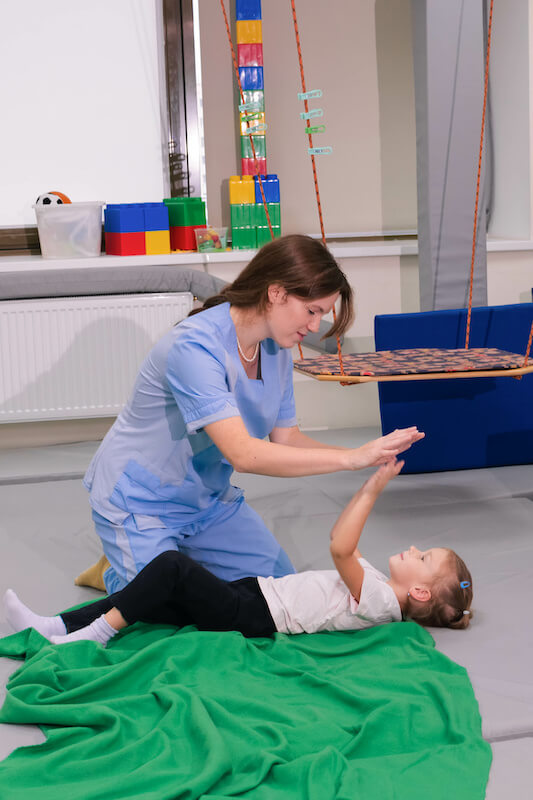
ABA Therapy Can Support Your Child in Incredible Ways!
Here are a few developmental areas we enhance through ABA sessions:
Coping Skills
Our terrific ABA team will focus on teaching your child critical skills for coping with new experiences and expanding their emotional regulation ability. Coping skills help children manage impulse control, increase self-awareness, and promote consideration when making choices, to name a few critical benefits.
Daily Living Skills
ABA practitioners recognize that daily tasks like dressing, potty, and teeth brushing are core building blocks to more independent living for individuals with ASD. By breaking tasks into smaller chunks, our BCBAS and RBTs help children develop routines and habits that enhance their well-being.
Social Skills
ABA programs focus on nurturing a child’s communication so they can flourish when interacting. Social skill development often includes activities like:
- Engaging in pretend play, like feeding a pretend baby or stuffed bear
- Roleplaying a zoo visit or a tea party
- Taking turns in conversations, learning to pause, or exploring nonpreferred topics
- Learning to communicate preferences or selections
Reading and Writing Skills
Your child can get a head start on reading and writing abilities helpful for academic life through ABA by engaging in activities like:
- Tracing or copying
- Scribbling
- Drawing
- Coloring
Over time, these activities help to strengthen muscles and improve skills needed for writing and attending school.
Visual and Perception Skills
Our ABA practitioners incorporate activities to enhance visual and perception skills in clients, which are vital to skill acquisition. These include activities like:
- Engaging in memory games
- Reading books like “Where’s Waldo?” and “I SPY”
- Matching and sorting games
- Completing puzzles
Gross and Fine Motor Skills
Our ABA team utilizes games, interventions, and play that engage your children in ways that organically refine their critical motor skills. Over time, children improve their muscle tone and coordination. Some examples of motor activities employed during ABA sessions include:
- Handling clay, kinetic sand, or other sensory materials
- Opening, closing, grasping, or reaching for highly motivating objects
- Engaging with cause-and-effect toys
- Playing with Legos, blocks, or foam pieces
- Stringing noodles or beads
- Dropping marbles or coins into slides and container
- Cutting small shapes or tracing
Positive Reinforcement is Essential to ABA Therapy!
Positive reinforcement is a massive facet of Applied Behavior Analysis or ABA therapy. Principles of behavioral science establish that individuals often repeat reinforced behaviors. Over time, productive or not, the behavior that gets the most attention often becomes natural or reoccurring.
Through ABA therapy, BCBAs identify productive behaviors for participation or expression and increase those behaviors. In ABA therapy, the child receives a meaningful reward when they engage positively during ABA interventions.
Positive reinforcement or rewards include:
- Verbal praise
- Time with a favorite book, toy, or person
- Access to videos or games
- Breaks at a park or playground
- Snacks, points, or tokens
Over time, children receiving ABA therapy replace challenging behaviors with appropriate alternatives that are helpful for the rest of their life.
At ABA Centers of Virginia, we focus on understanding your child’s unique needs and behavior. Regardless of how neurodiversity affects your family, we can ensure our child’s ABA therapy programs are enriching and rewarding with effects that last a lifetime.
For more information about child ABA therapy with us and your options for autism care, call us at (855) 957-1892 to schedule a complimentary, zero-obligation consultation with our expert ABA team members.
Frequently Asked Questions
ABA therapy may be a good fit if your child has an autism diagnosis and needs support with communication, social interaction, daily routines, or behavior. An individualized assessment can help determine the best approach based on your child's strengths and needs.
Every session is personalized to your child's goals and learning style. Children practice skills through play, structured activities, and everyday routines while working one-on-one with a therapist. Sessions may focus on communication, social skills, self-help tasks, or behavior support, depending on each child's individualized treatment plan.
The recommended schedule may be 10 to 40 hours per week, depending on your child's needs, developmental goals, and clinical recommendations. Some children benefit from a few sessions each week, while others may receive more comprehensive support. Your clinical team will recommend a therapy schedule designed specifically to help your child.
Many Virginia families have insurance plans that include ABA therapy when it is medically necessary and supported by an autism diagnosis. If you're asking whether your insurance covers treatment or how to verify your benefits, our team can review your coverage, explain your options, and help you understand any authorization requirements before services begin.
Yes. Depending on your child's treatment plan, ABA therapy may be provided in different settings where skills can be practiced naturally. Some children benefit from center-based services, while others may also receive support at home or in school to encourage consistency across daily environments and routines.
Starting sooner often allows children to begin building important developmental skills. The first step is completing the intake and insurance process so your clinical team can develop an individualized treatment plan and schedule services.
ABA therapy helps children develop practical skills they use every day. Goals may include improving communication, following routines, increasing independence in self-care, strengthening social interaction, developing play skills, and learning strategies to support emotional regulation across different environments.
ABA Centers of Virginia offers services for families across multiple communities throughout the state. Choosing a nearby location can make attending regular sessions more convenient while helping families coordinate ongoing care. You can find us in Alexandria, Fairfax, Vienna, Woodbridge, Richmond, and Washington, DC.
Parent involvement is an important part of successful ABA therapy. Families receive regular updates, collaborate on treatment goals, and learn strategies they can use at home to reinforce new skills.
