
Early Intervention for Autism
Did you know that early intervention ABA therapy can have significant positive impacts on children with autism? An essential element of ABA therapy is beginning ABA care quickly after receiving your child’s autism spectrum disorder diagnosis. Infancy is a vital stage of a child’s development. In this phase, children experience everything for the first time and have few established patterns or routines, meaning their learning and development are more shapable.
Autism services, like early intervention ABA therapy, typically begin before the client is two years old, while the brain is still in critical development. ABA Research indicates that early intervention ABA therapy enhances communication, social skills, and cognitive ability, among other areas of life in children with autism. Waiting for a diagnosis can often delay ABA care, as access to services only becomes available upon diagnosis.

Fortunately, autism can now be detected earlier, leading to earlier ABA access and better outcomes for everyone. Earlier access to ABA therapy promotes healthier, more productive behaviors in children long-term and increases engagement. Your child’s ABA team, including their Board-Certified Behavior Analysts (BCBAs) and Registered Behavior Technicians (RBTs), will nurture their skills while promoting self-discovery and personal growth.
What Are the Benefits of
Early Autism Intervention?
ABA Research demonstrates early autism detection and intervention are critical because families receive therapeutic support during their child’s critical developmental years. In early childhood, the brain experiences rapid growth that impacts behavior and patterns. Knowing this, our ABA practitioners always offer a unique approach to development that identifies talents and areas needing support. A personalized ABA approach ensures kiddos have better daily experiences while preparing for academic life and social encounters.
ABA Centers of Virginia focuses on guiding your child through ABA sessions on their level, regardless of their circumstances, for ongoing progress. While ABA therapy is effective for individuals of any age, early intervention in ABA can have tremendous results that build the foundation for future success in ABA therapy and life.
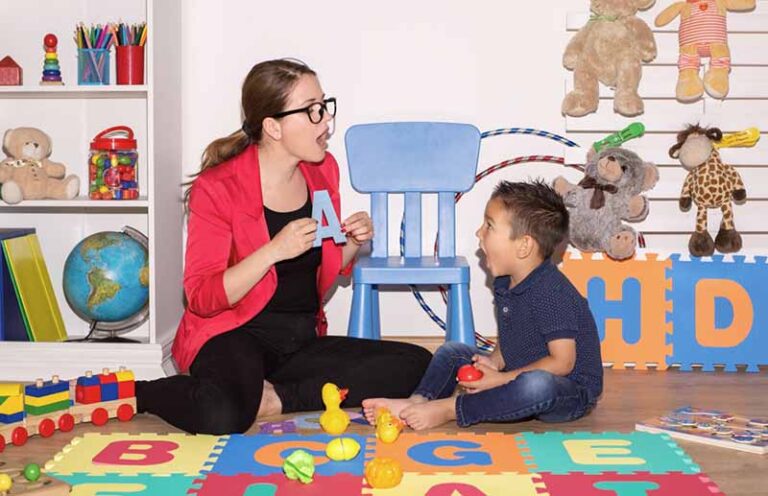

Expect the Industry's Best!
We recognize that children on the spectrum have fulfilling experiences when receiving ABA therapy. Our expert team of ABA professionals understands the unique needs and challenges of neurodiversity. We always provide customized therapy plans, empowering each child with ASD to flourish in their own way.
Our ABA practitioners are ready to help your child (and family) lead a happier, healthier life now! If you are seeking early autism intervention, don’t hesitate to explore your child’s ABA support options with ABA Centers of Virginia! Reach us now to schedule a complimentary consultation with an ABA team member and learn more about our ABA services!
Together we can craft a brighter future for your family and loved ones.
Frequently Asked Questions
If your toddler has an autism diagnosis or is showing signs that may indicate autism, starting early intervention as soon as possible can help support communication, social interaction, play, and other foundational skills during an important stage of development. Our team can evaluate and help you determine the most appropriate steps for your child and family.
Early intervention combines individualized, evidence-based services that help young children develop communication, social, play, and daily living skills. Depending on your child's treatment plan, therapy uses engaging, age-appropriate activities that encourage learning during everyday routines and meaningful interactions.
Early intervention generally refers to services provided during the first years of life, when children experience rapid brain development. While toddlers often benefit from early support, recommendations are always based on each child's developmental profile rather than age alone.
Many Virginia insurance plans cover medically necessary ABA therapy as part of an early intervention treatment plan for children with an autism diagnosis. Coverage varies by policy, so our team can review your benefits, explain any authorization requirements, and help you understand your available options before services begin.
Early intervention focuses on building foundational skills that support long-term learning and independence. Goals may include improving communication, social interaction, play skills, following routines, emotional regulation, and daily living abilities based on your child's unique strengths and developmental needs.
Yes. Depending on your child's individualized treatment plan, early intervention services may be provided in different environments where learning happens naturally. Some children receive therapy at home, while others may benefit from services in a center or school setting to support skill development across everyday routines.
Early intervention is not a separate therapy. It refers to the timing of services provided during early childhood. ABA therapy is an evidence-based approach that may be included in an early intervention plan, with goals tailored to help young children build foundational developmental skills.
That depends on the service being recommended. Some early intervention programs support children with developmental concerns before a formal diagnosis, while ABA therapy generally requires an autism diagnosis and medical authorization. Our team can explain which services may be appropriate based on your child's evaluation and needs.
Families can contact ABA Centers of Virginia to schedule a consultation and discuss their child's developmental concerns. Our team helps explain the evaluation process, reviews insurance benefits, and guides families through each step of beginning services, including determining whether ABA therapy is appropriate for their child.
Early childhood is a time of significant learning and development, making it an important opportunity to build foundational skills. Beginning support early may help children strengthen communication, social interaction, adaptive skills, and independence while creating a strong foundation for future learning and participation at home, school, and in the community.
