
Living with Autism: 8 Common Behaviors and Characteristics

Living With Autism

Table of Contents

Understanding What Living with Autism Can Look Like

Living with autism looks different for every child and every family. Autism spectrum disorder (ASD) is a developmental disability that can affect how a person communicates, interacts with others, learns, behaves, and experiences the world around them. Because autism is a spectrum, children can have very different strengths, challenges, and support needs.

For parents, understanding common autism behaviors can make some everyday experiences easier to recognize and respond to. A child covering their ears in a crowded room may be overwhelmed by the noise. Another child who becomes upset by changes of plans may feel more comfortable with routine.

There’s no one single behavior that defines autism. At ABA Centers of Virginia, we help families understand their child’s individual needs while supporting skills that can make everyday life more manageable and meaningful.

What Are Common Autism Behaviors in Children?

Common autism behaviors can include differences in communication, social interaction, routines, interests, repetitive behaviors, and responses to sensory experiences. According to the Centers for Disease Control and Prevention, people with ASD may also have different ways of learning, moving, or paying attention. How these characteristics appear depends on the individual child.

Here are eight autism characteristics families may notice:

1. Differences in Language and Communication

Children with autism communicate in many ways. Some use spoken language, while others may be non-verbal and communicate through gestures, pictures, signs, or augmentative and alternative communication (AAC).

Some children may also interpret language literally, repeat words or phrases, or find jokes, sarcasm, and indirect instructions harder to understand. Learning how your child communicates best can make it easier to understand what they want, need, or feel.

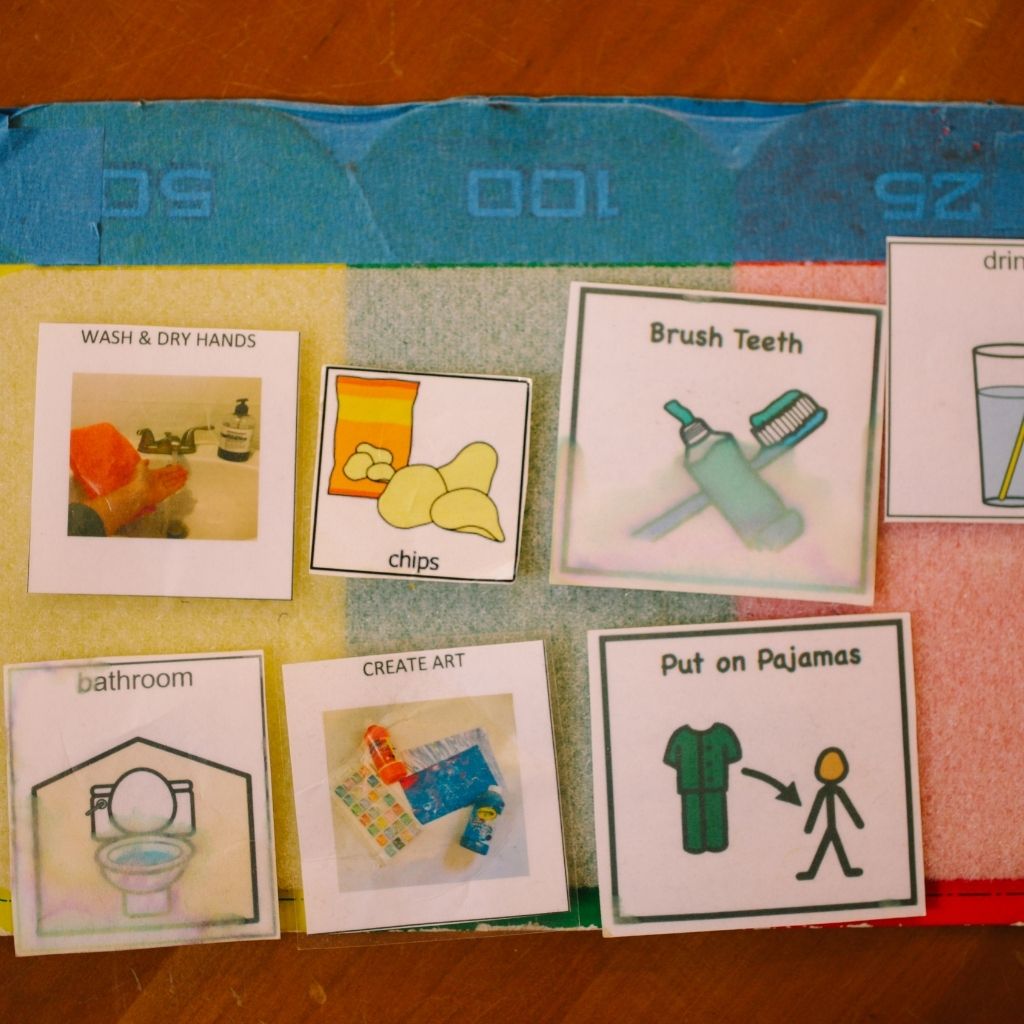
2. A Strong Preference for Routines

For some children with autism, routines make the day feel more predictable.

They may prefer familiar schedules, foods, clothing, activities, or ways of completing certain tasks.

The National Institute of Mental Health notes that difficulty with transitions and becoming upset by small changes can occur with ASD. 

Visual schedule with daily activities for a child living with autism

If plans suddenly change, a child may need extra time, reassurance, or support to adjust.

3. Differences in Social Interaction

Children with autism may interact with other people differently. Some may find conversational back-and-forth, facial expressions, gestures, or unwritten social expectations harder to understand.

That does not mean children with autism do not want friendships. Some may enjoy spending time with others but need support with starting conversations, joining activities, or understanding what others are communicating.

4. Highly Focused Interests

Some children with autism develop a strong interest in a particular subject, character, object, or activity. They may enjoy learning as much as possible about it and talking about it with others.

Focused interests can be a source of excitement, comfort, connection, and learning. Parents and therapists can sometimes use these interests to help children engage with new activities or develop skills.

Support may be helpful when shifting away from a preferred interest becomes difficult or begins interfering with daily activities.

5. Repetitive Movements or Behaviors

Some children with autism repeat movements or actions, such as rocking, hand flapping, pacing, spinning objects, or repeating sounds. These behaviors are sometimes called stimming.

A child may stim when they are excited, concentrating, overwhelmed, or trying to regulate themselves. Instead of assuming that every repetitive behavior needs to stop, it can be helpful to consider what the behavior may be doing for the child.

You may need for additional if a behavior causes injury, significant distress, or makes it difficult for the child to participate safely in everyday activities.

6. Differences in Understanding Social Expectations

Many social expectations are never directly explained. Children are often expected to learn them simply by watching other people, which can be harder for some children with autism.

A child may need more direct explanations about taking turns, respecting personal space or belongings, changing behavior depending on the setting, or recognizing when another person wants to join or end an interaction.

Clear, concrete explanations can help children better understand social situations and what is expected of them.

7. Differences in Processing Sensory Input

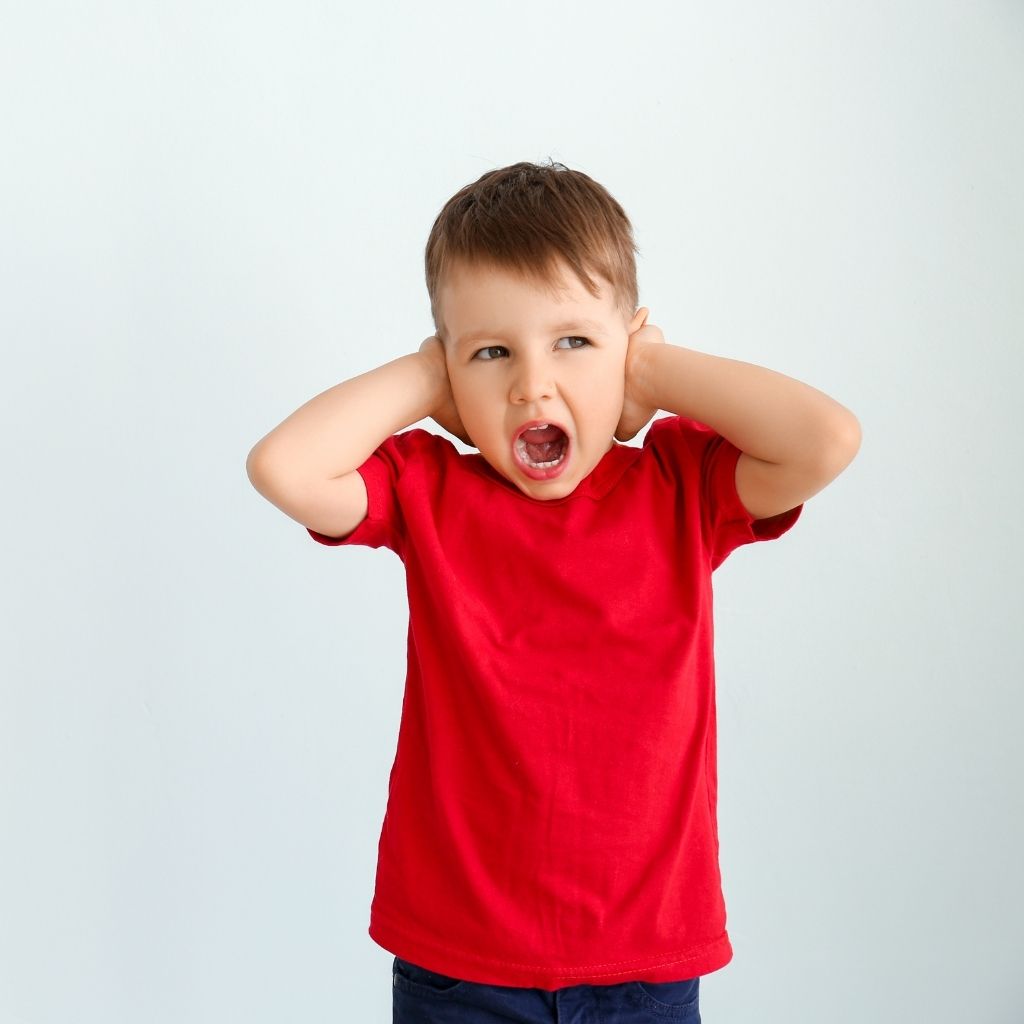
Children with autism may experience sounds, lights, textures, smells, tastes, movement, or touch differently. Something that barely registers for one person may feel overwhelming to another.

You might notice your child covering their ears when around loud noises, avoiding certain clothing textures, seeking movement, or becoming uncomfortable in crowded places. 

Child living with autism covering his ears in response to sensory input

Other children may actively seek particular sensory experiences.

Recognizing these patterns can help parents understand what makes certain environments difficult and find strategies that help their child feel more comfortable.

8. Differences in Daily Living Skills

Everyday activities such as getting dressed, brushing teeth, washing hands, organizing belongings, or following a multistep routine may require additional support for some children with autism.

The reason is not always unwillingness. Sensory differences, communication needs, motor skills, or difficulty remembering the sequence of a task can all play a role.

Breaking activities into smaller steps and practicing them consistently can help children build skills and greater independence at their own pace.

Do All Children with Autism Have the Same Behaviors?

No. Children with autism can have very different behaviors, strengths, interests, and support needs, even when they share the same diagnosis. One child may speak extensively but find changes in routine difficult, while another may communicate without spoken language and have fewer challenges with transitions.

That is why lists of common autism behaviors should never be treated as diagnostic checklists. A child’s development needs to be considered as a whole.

If you’re concerned about behaviors or developmental differences you’re noticing in your child, talking with their pediatrician or another qualified professional can help you understand whether an autism evaluation may be appropriate.

Can You Live a Normal Life on the Spectrum?
Parents spending time at home with their children

Yes. People with autism can live happy, meaningful, and fulfilling lives, although what that life looks like will be different for everyone. Some people live independently, pursue careers, build relationships, and need little ongoing support. Others may need assistance with communication, daily activities, or other areas throughout their lives.

Instead of defining success by one idea of a “normal” life, it can be more helpful to focus on quality of life, personal goals, meaningful relationships, and as much independence as possible for that individual.

Autism is lifelong, but abilities and support needs can change over time. For children, the right support can help build communication, daily living, social, and other skills that are useful throughout everyday life.

How Can ABA Therapy Support Children Living with Autism?

ABA therapy can help children with autism build meaningful skills related to communication, independence, learning, and everyday life. Treatment is individualized, so goals depend on what matters for that child and family rather than expecting every child with autism to learn or behave in the same way.

Understanding why a behavior happens is an important part of the process. What looks like a challenging behavior may be a child’s way of communicating frustration, discomfort, or a need for help. Looking beyond the behavior allows families and clinicians to identify skills and strategies that can better support the child.

If you’re looking for support for your child, ABA Centers of Virginia offers diagnostic services and individualized ABA therapy. Call (855) 957-1892 or contact us online to schedule a free consultation.


Educational Disclaimer: This article is for educational purposes and is not intended to diagnose autism or replace individualized medical or clinical guidance.

Scroll to Top