Table of Contents
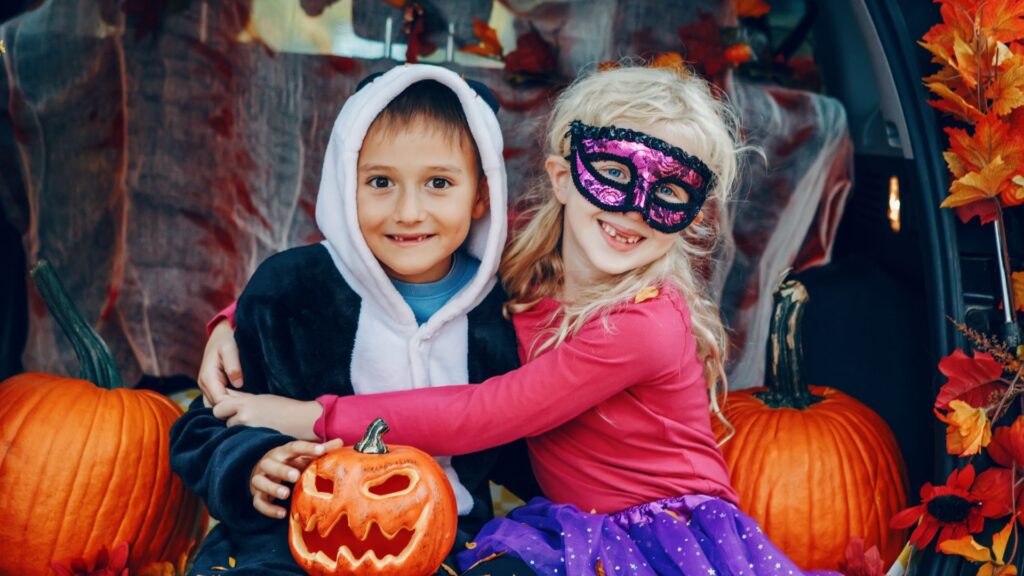
Halloween is typically a dreadfully fun holiday where many dress up in fantastic costumes, walk the neighborhood with friends, and collect sweet treats that are not generally available all year. However, for many children and teenagers with autism spectrum disorder (ASD), while the day should be fun and exciting, it can feel overwhelming, uncomfortable, or even traumatic.
Many children on the autism spectrum find Halloween themes confusing and disturbing, or take the decor literally. As a caregiver or ally of someone with autism, it is essential to consider such details and ask: How can I make Halloween fun and safe for my child with autism?
The great news is that families can take steps to improve Halloween experiences for children with autism. This includes limiting the unexpected by doing considerate planning. Doing so often helps minimize the distressing symptoms of autism that Halloween can exacerbate.
This blog by ABA Centers of Virginia will discuss why Halloween events can be troublesome for some on the spectrum and ways to enhance the experience to make it a spooky, fun, and inclusive day that everyone looks forward to annually!
So keep reading to learn more!
For more information about autism and ABA therapy with ABA Centers of Virginia, click here.
7 Tips for Having an Epic Autism-Friendly Halloween!
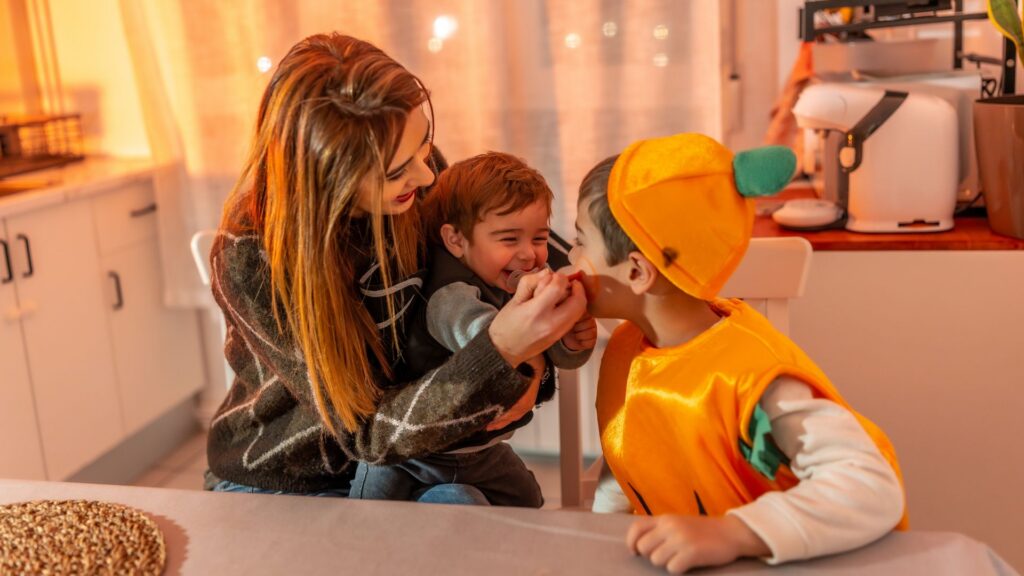
1) Describe Expectations Surrounding the Holiday
According to the National Library of Medicine, concepts like traditions, conventions, and holidays can sometimes be abstract and confusing for children and teenagers with autism. Neurodivergent individuals who don’t understand why people wear costumes or celebrate may misinterpret the day and feel unsafe or insecure.
As many parents of children with autism know, setting expectations and talking through experiences before they occur helps prepare individuals on the spectrum to enjoy the day instead of being overwhelmed or dismayed by what comes next.
Do your best to discuss Halloween in terms your child will understand. You can also consider using visual aids, like picture schedules or social stories, to help your child with autism understand what to expect on Halloween night.
2) Consider Hosting Your Own Autism-Friendly Halloween.
Parents of neurodivergent children profoundly affected by their autism or those sensitive to new experiences, not uncommon among the neurodivergent population, may consider hosting a small autism-friendly Halloween gathering at home instead of going out to reduce potential worry.
This way, caregivers control the noise and lighting levels while utilizing the benefits of being in the child’s familiar haven. Additionally, you can ensure everyone you invite understands your child’s circumstances and will be considerate of their needs and/or possible challenges.
Another helpful idea is to decorate your house with calming visuals such as pumpkins, soft lighting that doesn’t flicker, and cozy blankets.
If you plan to use elaborate décor over the holiday, consider introducing Halloween decorations into the environment gradually. Parents should clearly explain the decoration’s tradition, meaning, and intent if it can lead to misunderstandings or distress.
3) Promote a Relaxing Environment during Halloween Activities
For families with children on the autism spectrum, Halloween can sometimes be incredibly challenging because of the complex nature of the holiday. Between the loud noises, flashing lights, and enormous crowds, it can be difficult for a child or teenager with sensory sensitivities and autism to manage the sensory experiences surrounding them.
By promoting a safe and fun environment, people with autism can join their peers in enjoying the special day without feeling out of place or overly anxious. There are a few ways to make Halloween more relaxing.
For example, caregivers can select a quiet or less crowded neighborhood to trick-or-treat in. If parents feel comfortable, they can request their neighbors to use dim lights so the bright or blinking lighting won’t cause potential sensory overload.
Additionally, it can be fun to explore sensory-friendly events like haunted houses or Halloween-themed walks in the Arlington and Washington D.C. area.
If attending or hosting a Halloween event, ensure a quiet space to relax from the festivities. Plan by storing weighted blankets, headsets, soft music, or sensory gadgets in the designated sensory-safe area.
If celebrating outside of your home, alert the host or facility of your child’s diagnosis so they can accommodate their needs ahead of the visit.
4) Encourage Your Child to Engage in Autism-Friendly Halloween Activities
For children with autism, many activities associated with the day can feel chaotic or overly stimulating. However, many alternatives to conventional activities can make for a far more autism-friendly Halloween day.
These events can provide a fun and sensory-friendly experience that’s inclusive to everyone but still on theme.
They may include:
- Pumpkin carving is an excellent way to get creative and explore different textures and smells.
- Apple bobbing is another activity you can easily modify to accommodate neurodiversity while being very hands-on and participatory. Tiny practices like changing the water’s temperature or using materials with unique textures like feathers or slime make apple bobbing more accessible and engaging.

- Additionally, many children enjoy creating personalized Halloween-themed sensory bins that they only access during Halloween events or the day of.
Whatever activity you choose, remember to make Halloween a time for play, exploration, and creativity!
5) Be Mindful When Selecting Your Loved One’s Costume
As Halloween approaches, many children without autism are thrilled to select the perfect costume for a trick-or-treating night. However, for children with autism, this task can be immense and straining. For some, it can be the worst part of the holiday.
Finding the right costume that meets your child’s needs and still involves them in fun can be challenging. However, a few modifications can make all the difference.
Instead of selecting tight or scratchy costumes, try loose-fitting clothing made of soft materials. It’s also vital to ensure the outfit is not too heavy or snug, which can cause discomfort and nervousness.
Seasonal or whimsical tee shirts or patches can work perfectly when full costumes are unmanageable! Sensory-friendly face paint or masks can also be a great alternative to traditional Halloween masks. However, the choices are endless!
Finding an autism-friendly Halloween costume may take a little creativity and patience, but the result will be a more stress-free experience, to focus on what matters.
6) Plan Trick-Or-Treating to Ensure an Autism-Friendly Halloween
Many families of children with autism feel concerned about making trick-or-treating an enjoyable yet safe experience for their child. A great way to start is by planning and choosing an autism-friendly neighborhood and route before the holiday.
Avoiding busy streets with many people and trick-or-treaters and opting for quieter neighborhoods can be highly beneficial. Additionally, ensure you select an area where the houses are well-lit and the atmosphere feels friendly.
Another option is finding alternative activities, such as a sensory-friendly scavenger hunt or visiting a local community center near you that caters to children with developmental uniqueness.
Please encourage your child to participate in the routine to the extent they feel comfortable without being overly demanding.
Finally, if elopement or wandering is your child’s behavior, wearing a unique ID tag or bracelet can enhance security while helping them communicate their needs and alert others if they sense danger during trick-or-treating.
7) Communicate with Your Community and Neighborhood, If Possible
It can be advantageous to communicate openly with your neighbors and community members about your child’s autism diagnosis and their needs. By providing them with resources and information on how they can make their homes more inclusive for children with autism, you help your child and promote positive autism awareness for everyone.
Have a Happy, Autism-Friendly Halloween This Year and Next! You Can Do It!
Halloween can be a fun and meaningful family event for those with or without autism. These straightforward steps can proactively reduce obstacles and improve your trick-or-treating experience while celebrating a fantastic autism-friendly Halloween day!
Providing a safe environment, personalizing activities, costumes, and calming sensory activities helps everyone feel included and involved as they enjoy a positive autism-friendly Halloween experience.
Taking the time to plan according to your child’s individual needs ensures that everyone delights in this bewitching holiday season!
ABA Centers of Virginia Supports You through the Holiday Seasons
ABA Centers of Virginia understands the holiday season can be hectic and overwhelming for anyone. However, for those with autism and their families, it can be particularly challenging.
Fortunately, Applied Behavior Analysis, also called ABA therapy, is a proven approach that can help neurodivergent children and teenagers handle the pressure and anxiety that often comes with this time of year.
ABA therapy uses a combination of positive reinforcement and scientifically validated ABA interventions to teach neurodivergent individuals new routines, communication styles, and behaviors.
ABA learners acquire essential skills to manage life on the spectrum across settings appropriately, including gatherings and holidays like Halloween events.
If you’re looking for additional support navigating this holiday season and helping your child or teenager with autism through their daily life, our center can help.
We proudly offer autism diagnostic services and ABA therapy for those experiencing neurodiversity. Call us at (855) 957-1892 for more information, or click here.