

On the surface, Valentine´s Day appears simple. In reality, it combines multiple challenges into a short period of time, often without warning or flexibility.
- Sensory Overstimulation: Classroom parties often include loud voices, music, bright visuals, sugary foods, and hands-on activities like crafts. For children on the autism spectrum with sensory sensitivities, this level of stimulation can feel physically uncomfortable or even distressing. Research and advocacy organizations consistently explain that sensory processing differences affect how the brain filters sound, touch, light, and smell, making environments like parties especially hard to tolerate.
- Unclear Social Expectations: Who do you give a card to? What do you say when someone hands you one? Do you have to smile or make eye contact? These rules are rarely stated out loud. Many children with ASD rely on explicit guidance, and when social expectations remain unspoken, confusion and anxiety rise.
- Emotional Pressure: Valentine´s Day places heavy emphasis on affection, friendship, and group belonging. For children who already feel socially different, this pressure can intensify feelings of isolation even when others intend to be kind.

Valentine´s Day and Autism: What’s Happening in the Brain
Understanding Valentine´s Day and autism through a neurological lens can help parents reframe challenging behaviors.
When a child with autism encounters overwhelming sensory or social input, the brain may shift into a stress response. This reaction can look like a meltdown, withdrawal, refusal to engage, or physical complaints such as stomachaches or headaches.
Child development experts emphasize that emotional regulation depends on predictability and emotional safety. Holidays disrupt routines, increase uncertainty, and remove familiar anchors, making regulation much harder for children who already struggle in this area.
Your child isn’t choosing to struggle. Their nervous system is reacting to perceived threat.
Three Common Stress Points During Valentine´s Day for Children with Autism
- Sensory Saturation:
Crowded rooms, decorations, and interactive activities can overload the senses quickly. - Social Timing Demands:
Waiting turns, responding quickly, and interpreting peer reactions require rapid processing that may not come naturally to children with autism. - Pressure to Perform Emotionally:
Being expected to act excited, grateful, or affectionate can feel inauthentic or overwhelming when a child is already dysregulated.
Recognizing these stress points allows adults to intervene early before distress escalates.
Creating an Autism-Supportive Valentine´s Day
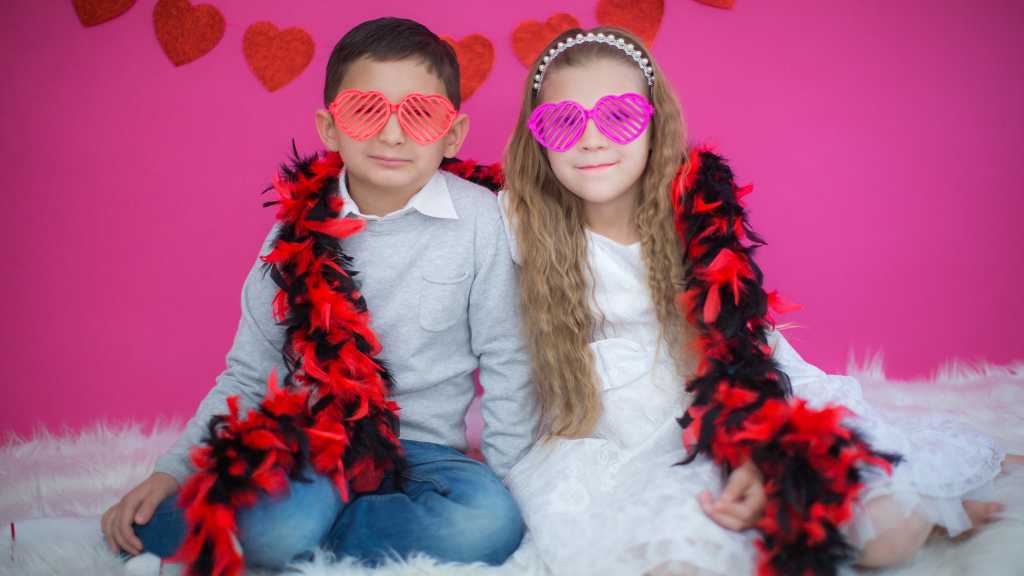
An autism-supportive Valentine´s Day doesn’t remove celebration. It reshapes it.
- Build Predictability: Talk through the schedule ahead of time. Use simple language or visuals to explain what will happen and when it will end. Practicing Valentine exchanges at home can help your child feel more prepared and confident.
- Offer Meaningful Choices: Let your child decide how they participate. They may want to join briefly, skip certain activities, or take breaks in a quiet space. Choice increases a sense of control, which supports emotional regulation.
- Plan Sensory Accommodations: Headphones, familiar snacks, or designated calm areas can make a significant difference. These supports aren’t indulgences; they’re tools that help children stay regulated.
How ABA Therapy Helps Children Navigate Holidays
Holidays like Valentine´s Day for children with autism are excellent examples of why skills must be taught outside of crisis moments.
ABA therapy supports children by building:
- Functional communication skills to express needs and boundaries
- Social understanding through practice and repetition
- Emotional regulation strategies that can be used in real-world settings
By preparing children ahead of time and debriefing afterward, ABA providers help transform stressful events into learning opportunities without forcing participation or masking discomfort.