Table of Contents
Walk down the toy aisle of any major department store, and you might notice something shifting. The shelves, once dominated by a uniform standard of perfection, are beginning to look a little more like the real world.
Among the various fashion dolls and action figures, you can now find representation for wheelchair users, individuals with vitiligo, and those with prosthetic limbs.
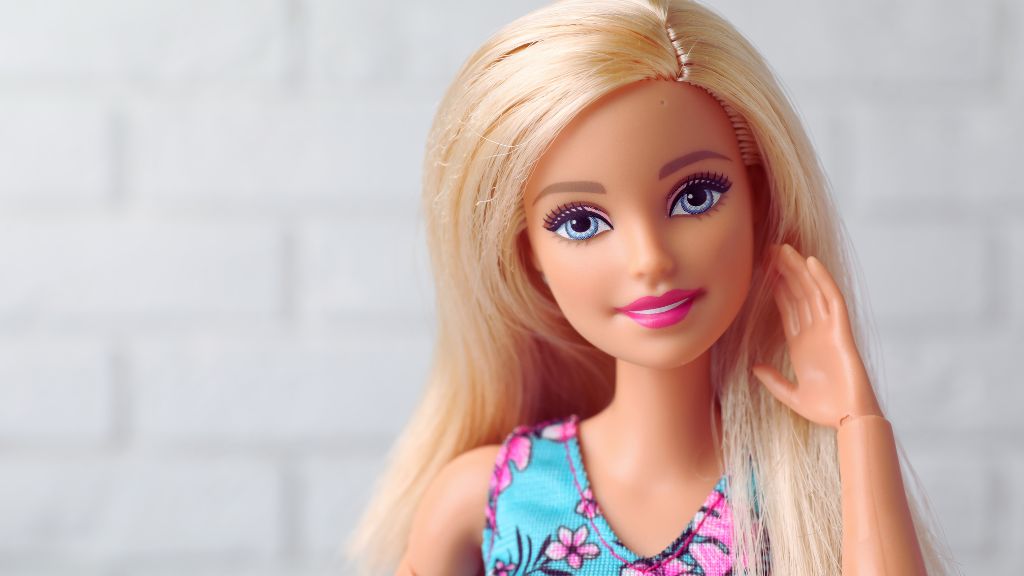
One of the most significant additions to this lineup is Mattel’s introduction of the first Barbie with autism spectrum disorder (ASD). Autistic Barbie isn’t just a marketing variation; it is a cultural signal. For families navigating ASD, this doll represents a moment of visibility in a space that historically overlooks neurodivergence.
A common question arises: How is Autistic Barbie changing the landscape of inclusive play and representation?
The impact of “Autistic Barbie” extends far beyond the children who see themselves in her. It is reshaping how communities understand differences, how neurotypical children learn empathy, and how many parents and autism advocates approach developmental support through inclusive play.
At ABA Centers of Virginia, we see play as the language of childhood. Understanding the tools available in that language—like inclusive dolls—is crucial for parents, educators, and allies alike.
In this blog, we’ll briefly explore how Autistic Barbie promotes inclusion, fosters empathy, and encourages broader understanding both in and outside of the autism community.
So, keep reading to learn more about this topic that’s sparking many reflective conversations!
More Than Just Glam Accessories: Designing Autistic Barbie
When Mattel set out to create a doll representing the autism community, they didn’t just slap a label on a box. They collaborated with the Autistic Self Advocacy Network (ASAN) to ensure the design choices reflected genuine experiences rather than stereotypes.
The resulting doll features distinct characteristics that resonate with many on the spectrum:
- Sensory-Friendly Fashion: She wears comfortable, low-friction clothing free from snaps or buttons that might cause sensory irritation.
- Protective Gear: She comes with noise-canceling headphones, a standard tool for managing auditory overstimulation.
- Subtle Social Cues: Her eye gaze is slightly averted, validating those who find direct eye contact uncomfortable or draining.
- Fidgets and Stims: The articulation in her limbs allows for more expressive movement, mimicking stimming behaviors that many autistic individuals use for self-regulation.
These details matter.
For a child on the spectrum, seeing a Barbie wearing headphones normalizes their own daily experience. It transforms a medical necessity or a coping mechanism into an opportunity to make a fashion statement, reducing the feeling of “otherness” and/or shame.
The Ripple Effect: Teaching Empathy to Neurotypical Peers
While representation for children with ASD is the primary victory here with Autistic Barbie, there is a secondary, equally powerful benefit: the education of neurotypical children.
Children are naturally curious observers. When a neurotypical child picks up a doll with headphones and asks, “Why is she wearing these?”, it opens a door for a profound and insightful conversation.
Parents can explain that some people hear sounds much louder than others and need quiet to feel safe, increasing community awareness. By introducing these concepts in the safe, low-stakes environment of a playroom, we are preparing the next generation to be more accepting allies.
Breaking the Stigma of the Unknown
Fear or hesitation around neurodiversity often stems from a lack of understanding. If a child has never encountered the concept of sensory processing issues, they might misinterpret a peer covering their ears in the cafeteria as being “rude” or “weird.”
However, if that same child has played with Autistic Barbie, who needs headphones to concentrate, the behavior in the cafeteria becomes recognizable and relatable. The narrative shifts from “that kid is acting strange” to “that kid is just like my doll.”
This psychological bridge is essential for fostering inclusive classrooms and playgrounds.
The Spectrum Reality: One Fashion Doll Can’t Do It All
Despite the positive reception, it is vital to address the complexity of representing autism. The phrase “if you’ve met one person with autism, you’ve met one person with autism” holds here.
The autism spectrum is vast, ranging from individuals who are highly verbal and independent to those who are non-speaking and require substantial daily support.
No single piece of plastic, regardless of how pretty, inclusive, or well-marketed, can capture the totality of the autistic experience. Some families have expressed that while this Barbie represents those with lower support needs effectively, it may not reflect the reality of children with profound autism who face different challenges.
This valid critique highlights that representation is a journey, not a destination. Autistic Barbie is a conversation starter, not the final word. It encourages toy manufacturers and media creators to keep broadening the scope of who gets to be the hero in the story.
Using Play-Based ABA to Build Healthy Living Skills
At ABA Centers of Virginia, we understand that play is serious business. It is how children test theories, practice social scripts, and process emotions. Our clinical approach integrates the principles of Applied Behavior Analysis (ABA) into naturalistic play settings to help children thrive.
We don’t view toys merely as rewards for good behavior; we view them as pivotal teaching tools.
Here is how inclusive toys fit into a therapeutic environment, both in and out of ABA therapy sessions:
1. Modeling Social Interactions
For children who struggle with social nuances, dolls and action figures provide a safe way to practice. An ABA provider might use the Autistic Barbie to model asking for a break when the “environment” (the dollhouse) gets too loud. Modeling allows the child to see self-advocacy in action before trying it themselves.
2. Desensitization and Acceptance
Some children on the spectrum struggle with wearing adaptive equipment, like headphones or glasses, due to sensory aversions or self-consciousness. Playing with a “cool” toy that uses the same equipment can help desensitize the child to these items, making them feel less intimidating.
3. Expanding Play Skills
Children with ASD sometimes engage in repetitive or rigid play patterns. Many ABA providers use high-interest toys—whether it’s Barbie, trains, or building blocks—to introduce variation gently.
From the outside, this might look like introducing a new character into a repetitive script or changing the environment the dolls are playing in, fostering flexibility and creative thinking.
Community Engagement: Beyond the Therapy Center
True inclusion is something we all play a part in—it’s not just up to families or professionals. As friends, neighbors, and members of our communities, we can all help make the world a more welcoming place for those with developmental differences. Advocating for acceptance and support benefits everyone.
When major companies create inclusive toys, it sends a message to businesses, schools, and community spaces that neurodiversity matters—and that everyone deserves to feel seen and valued.
When a big name like Mattel invests in neurodiversity, it gives extra strength to those working for accessibility and inclusion in all parts of life. These toys also show the world that the needs and experiences of people with autism deserve to be recognized and celebrated.
Every child has their own way of playing and learning. Some kids might be excited about the new Autistic Barbie, others might love lining up cars, or they might find joy in the feel of molding clay.
However they play, an ASD child’s interests are often the building blocks for developmental growth and happiness worth encouraging, with inclusive play making a significant difference.
Creating a Customized Path for Your Child through ABA Therapy
Navigating the world of autism and ABA services can be overwhelming, but you don’t have to do it alone. Our trained and certified ABA team is ready to answer your questions about play-based ABA care, insurance coverage, and how we can support your family’s unique journey.
At ABA Centers of Virginia, our mission is to meet your child exactly where they are. We avoid cookie-cutter ABA programs in favor of individualized treatment plans that respect your child’s unique personality and preferences. We recognize that ABA therapy should be engaging, joyful, and empowering.
Connect with Us
Contact ABA Centers of Virginia today to schedule a consultation and learn more about what we offer neurodiverse families with incredible kids.
Call us at (855) 957-1892 or connect with us online.
If you are looking for autism support that honors your child’s perspective while helping them build essential life skills, we are here to help.