

Common characteristics include differences in social communication, where individuals might struggle with interpreting social cues, maintaining eye contact, or engaging in typical conversation patterns. Many people with autism also display repetitive behaviors, maintain strict routines, or develop intense interests in specific topics that can lead to remarkable expertise.
Moreover, some individuals experience heightened sensitivity to lights, sounds, or textures, while others might seek out sensory input. These traits often come alongside significant strengths, including exceptional attention to detail, pattern recognition abilities, and the capacity for deep focus that can drive innovation and discovery.
Is Mark Zuckerberg Autistic? Why the Speculation
The speculation about “Mark Zuckerberg autistic” stems from public appearances and media portrayals. In interviews, he often displays a low range of facial expressions and speaks in a monotone voice. He shows a focus on technical details, and he sometimes appears socially distant in group settings.
Hollywood hasn’t helped this narrative. The fictional character “Mark Zuckerberg,” portrayed in The Social Network, comes across as awkward, emotionless, and highly analytical. Although this portrayal is fictional, it contributes to assumptions about his real-life personality.
In many online discussions, people often group these traits into checklists of “autistic behavior” and “autism traits,” despite no formal diagnosis ever being mentioned.
Still, these conversations often reflect a more profound cultural shift: a growing recognition that famous people with autism, or even those suspected of being on the spectrum, may offer valuable contributions to society.
Celebrating Neurodiversity in Leadership and Innovation
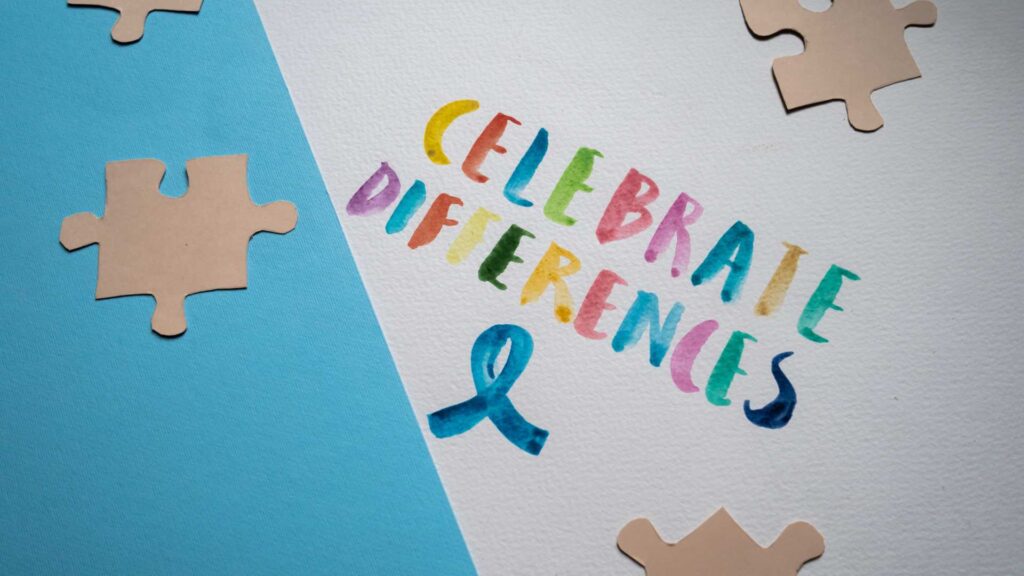
Whether or not Mark Zuckerberg is on the autism spectrum, it’s clear that neurodivergent individuals and even famous people with autism have long shaped science, technology, the arts, and business. Famous people with autism like Temple Grandin, Susan Boyle, and Dan Aykroyd have helped increase visibility around autism and neurodiversity.
In fact, research and autism advocates believe that neurodivergent thinking can be a significant asset in leadership roles. Autistic individuals often display:
- Unique problem-solving approaches
- Intense focus and dedication to a project
- Innovative, outside-the-box thinking
- A strong sense of logic and pattern recognition
Dispelling Common Myths About Autism
Public speculation about famous people with autism and public figures like Zuckerberg provides an opportunity to address persistent misconceptions about autism that can limit understanding and acceptance.
One of the most harmful myths suggests that autism prevents success or limits potential. The reality is that many individuals with autism excel in their chosen fields, often bringing unique strengths that neurotypical individuals might not possess. Their success usually depends more on finding environments that accommodate their needs and recognize their abilities than on any inherent limitations.
Another common misconception claims that autistic individuals lack empathy or emotional depth. While some people with autism might express emotions differently or struggle with specific social cues, many experience deep empathy and form meaningful relationships. The challenge often lies in communication styles rather than emotional capacity.
Perhaps most importantly, the myth that autism requires “fixing” or “curing” reflects a fundamental misunderstanding of neurodiversity. The goal should be providing support, accommodations, and opportunities for growth rather than trying to eliminate differences that represent strengths.