

Why Autism Often Comes with Other Conditions
Researchers have long recognized that medical conditions associated with autism occur more frequently than in the general population. Studies suggest that shared biological and neurological factors may explain why these conditions appear together.
Scientists believe several mechanisms may contribute to comorbidities in autism, including:
- Differences in brain connectivity and neurodevelopment
- Genetic factors that influence multiple systems in the body
- Altered immune or gastrointestinal functioning
- Sensory processing differences that affect sleep, eating, and stress regulation
A review published in the Journal of Personalized Medicine highlights how neurological and systemic factors can link autism with other medical conditions, reinforcing the importance of comprehensive evaluation for children on the spectrum.
Another study published in the National Library of Medicine examining autism medical comorbidities emphasizes that many children on the spectrum experience overlapping health concerns that require coordinated care across behavioral and medical disciplines.
In other words, when parents notice additional challenges, those concerns often reflect medical conditions associated with autism, not simply “behavior.”

Common Medical Conditions Associated with Autism
Every child with autism is different. However, research consistently identifies several medical conditions associated with autism that appear more frequently among autistic individuals.
Gastrointestinal Issues
Many parents notice digestive difficulties early in their child’s life. Frequent stomachaches, constipation, diarrhea, or unusual eating patterns often appear alongside autism traits.
Gastrointestinal challenges represent one of the most common autism comorbid conditions. Frontiers in Psychiatry suggests that differences in gut microbiota, immune responses, and sensory processing may contribute to digestive problems in children with autism.
These issues may influence:
- Food selectivity or food aversion
- Irritability or discomfort
- Sleep disruptions
- Behavioral changes during meals
When children cannot easily communicate physical discomfort, digestive issues may show up as behavior changes instead.
Sleep Disorders
Sleep difficulties affect a large percentage of children with autism. Parents often describe bedtime struggles, frequent night waking, or extremely early mornings.
Sleep disturbances rank among the most common medical conditions associated with autism. Research suggests that melatonin regulation differences, sensory sensitivities, and irregular circadian rhythms may contribute to these sleep challenges.
When sleep becomes inconsistent, children may experience:
- Increased irritability
- Difficulty focusing during the day
- Higher emotional sensitivity
- More frequent meltdowns
Addressing sleep patterns often improves overall daily functioning for children with autism.
ADHD and Attention Difficulties
Attention-deficit/hyperactivity disorder (ADHD) often appears among autism comorbid conditions. Many children on the spectrum struggle with impulse control, focus, and hyperactivity.
Experts estimate that a significant percentage of children with autism also meet the criteria for ADHD. These overlapping traits can affect learning, classroom behavior, and social interactions.
When ADHD and autism occur together, children may experience:
- Difficulty remaining seated or focused
- Frequent interruptions or impulsive behavior
- Challenges in completing tasks
- Emotional frustration during structured activities
Recognizing these autism co-occurring disorders allows professionals to tailor interventions that address both attention and behavioral needs.
Anxiety Disorders
Anxiety represents another common example of medical conditions associated with autism. Many children with autism experience heightened stress responses due to sensory sensitivities, social uncertainty, or changes in routine.
Parents may notice anxiety in ways that look different from typical childhood worry, such as:
- Avoidance of certain environments
- Repetitive questioning for reassurance
- Increased rigidity around routines
- Physical signs like stomachaches or headaches
Studies examining comorbidities in autism highlight anxiety as one of the most frequent mental health conditions affecting individuals with ASD.
Understanding anxiety and autism helps families create predictable routines and supportive coping strategies.
Epilepsy and Seizure Disorders
Some children with autism also experience epilepsy or seizure disorders. Research suggests that neurological differences involved in autism may increase the likelihood of seizures in certain individuals.
Seizures represent a significant category among medical conditions associated with autism, particularly in children with developmental delays or intellectual disability.
Signs parents may notice include:
- Brief staring episodes
- Sudden muscle stiffness or jerking
- Unexplained confusion or fatigue afterward
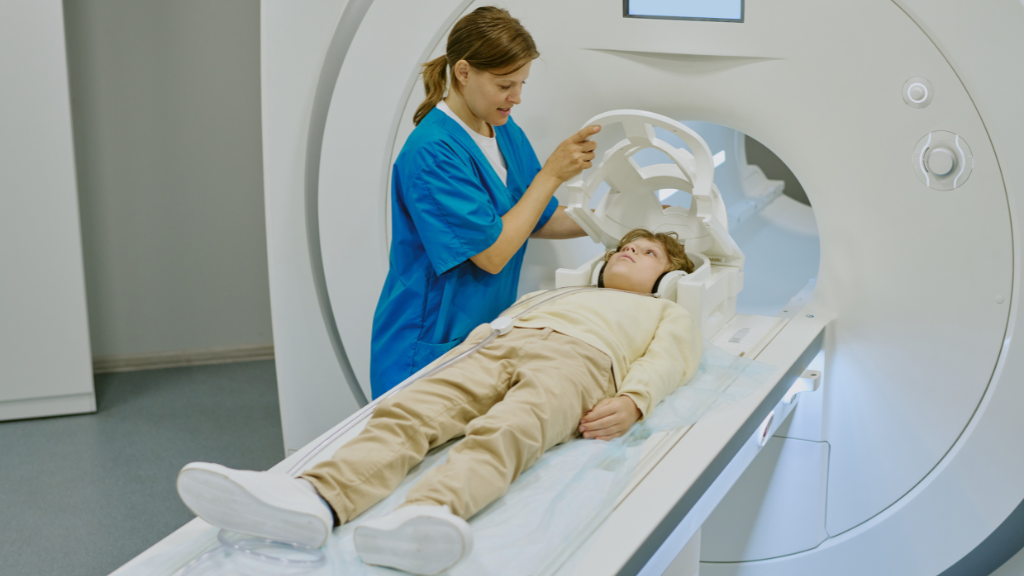
Because seizures can sometimes appear subtle, pediatric neurologists often evaluate children with autism when unusual neurological symptoms appear.
Why Identifying Autism Comorbid Conditions Matters
When children experience autism comorbid conditions, those challenges can intensify everyday difficulties.
For example:
- Sleep deprivation may increase behavioral challenges
- Anxiety can make social situations overwhelming
- Digestive pain may trigger irritability or food refusal
Recognizing these medical conditions associated with autism allows clinicians to address the root cause of behaviors rather than treating symptoms alone.
Organizations focused on autism care emphasize the importance of screening for autism medical comorbidities during diagnostic evaluations and ongoing treatment planning.
How ABA Therapy Supports Children with Autism and Other Conditions
Behavioral therapy does not treat medical illnesses directly, but it plays an important role in helping children manage autism comorbid conditions in everyday life.
Applied Behavior Analysis (ABA) focuses on skill-building and behavior strategies that support independence and emotional regulation.
When medical conditions associated with autism affect daily routines, ABA therapy can help by:
- Improving communication skills so children can express discomfort, pain, or anxiety
- Building coping strategies for stressful situations or sensory triggers
- Supporting sleep routines through structured bedtime behaviors
- Reducing mealtime stress for children with food selectivity or digestive challenges
- Developing attention and focus skills when ADHD traits appear
ABA therapists often collaborate with pediatricians, neurologists, and other specialists to support children experiencing autism and co-occurring disorders.
This coordinated care approach allows families to address behavioral and medical needs together.

When Parents Should Seek Professional Guidance
Parents should often trust their instincts when something feels off. If new patterns appear—sleep problems, frequent stomach pain, extreme anxiety, or sudden behavioral changes—it may signal medical conditions associated with autism.
Professional evaluation helps identify whether autism comorbid conditions are present and how they influence a child’s development.
Early identification can lead to:
- More accurate diagnoses
- Targeted medical treatment when needed
- Behavioral strategies tailored to the child’s challenges
- Better long-term outcomes
Support for Families Navigating Autism and Co-Occurring Conditions
Raising a child with autism requires patience, observation, and constant advocacy. When medical conditions associated with autism appear alongside autism traits, parents often face additional layers of uncertainty.
You are not imagining the challenges—and you are not alone in navigating them.
At ABA Centers of Virginia, families can access comprehensive support, including diagnostic evaluations, early intervention services, and individualized ABA therapy programs designed to help children thrive at home, school, and in their communities.
If you suspect your child may be experiencing autism comorbid conditions or want guidance on developmental concerns, speaking with experienced clinicians can provide clarity and support for the next steps. Contact us at (855) 957-1892 or connect online!