

Table of Contents
What Are the Early Signs of Autism in a 12-Month-Old?
If you’ve been searching for signs of autism in a 12-month-old, you’re probably carrying a mix of questions, concern, and maybe even urgency.
Maybe your child isn’t responding to their name yet. Maybe you’ve noticed fewer smiles, less eye contact, or something feels off.
Take a breath; you’re not alone in this.
Many parents begin noticing early signs of autism around the first birthday. But here’s the most important thing to know right away: not every developmental delay means autism.
Child development isn’t one-size-fits-all, and many children grow at their own pace.
Still, understanding what’s typical—and what might need a closer look—can give you clarity and peace of mind. This guide from ABA Centers of Virginia walks you through what autism in toddlers looks like, what to watch for, and how to take the next step with confidence.
What Are the Developmental Milestones for a 12-month-old?
Before diving deeper into the signs of autism in a 12-month-old, it helps to understand what many children are learning around this age.
According to the Centers for Disease Control and Prevention (CDC), most 12-month-olds begin showing growth in communication, social interaction, and movement.
Social and Communication Milestones
At this stage, many children:
- Respond to their name
- Make eye contact during interactions
- Use simple gestures like waving or pointing
- Babble with rhythm and back-and-forth sounds
- Show interest in familiar people
These are important because they reflect early connection—something closely monitored when identifying early signs of autism.
Cognitive and Physical Milestones
You may also notice your child:
- Look for hidden objects
- Explores toys in different ways
- Pulls up to stand or begins taking steps
If your child isn’t meeting some of these milestones, it doesn’t automatically indicate a case of autism in toddlers. But patterns across several areas may signal the need for further evaluation.
How to Spot Autism in a 12-Month-Old?
When parents search for signs of autism in a 12-month-old, what they’re often looking for is clarity: What’s typical—and what’s not?
Experts, including UNICEF, note that early signs of autism often show up in social communication first.
Here’s a simple comparison to help:
Developmental Milestones vs. Possible Autism Indicators
Typical at 12 Months | Possible Early Signs of Autism |
Responds to name | Rarely responds to name |
Makes eye contact | Limited or inconsistent eye contact |
Uses gestures (pointing, waving) | Few or no gestures |
Engages in back-and-forth interaction | Limited social interaction |
Babbles frequently | Minimal or absent babbling |
Shares smiles or expressions | Limited emotional expression |
Shows interest in others | Prefers being alone |
Explores environment | Repetitive or focused play patterns |
Seeing one or two of these differences doesn’t confirm a diagnosis of autism in toddlers. But if several are present consistently, it may be worth exploring further.
Organizations like Autism Speaks and the Canadian Pediatric Society emphasize that early signs of autism can emerge before age one, but professionals should always evaluate them.
What Does Stimming Look Like in a 12-Month-Old?
Some parents notice repetitive behaviors and wonder if they’re part of the signs of autism in a 12-month-old.
“Stimming” (self-stimulatory behavior) can include:
- Repetitive hand movements (like flapping)
- Rocking back and forth
- Spinning objects repeatedly
- Fixating on certain textures or lights
It’s important to remember: many babies repeat movements as part of normal development.

Repetition alone isn’t one of the definitive early signs of autism.
The difference often lies in:
- Frequency and intensity
- Whether it interferes with interaction
- If it replaces social engagement
If repetitive behaviors are paired with limited communication or interaction, they may be more closely associated with autism in toddlers.
Can Autism Be Diagnosed in a 12-Month-Old?
This is one of the most common—and important—questions parents ask. The answer: sometimes, but not always definitively.
According to the American Academy of Pediatrics (AAP), developmental screening should happen early and regularly, with autism-specific screenings typically recommended at 18 and 24 months.
However, when signs of autism in a 12-month-old are noticeable and consistent, professionals may:
- Begin developmental monitoring
- Recommend early intervention services
- Conduct preliminary assessments
The key takeaway: you don’t have to wait for a formal diagnosis to take action.
Early Signs of Autism vs. “Late Bloomers”
One of the hardest parts of this stage is uncertainty. Some children are simply late bloomers. Others may be showing early signs of autism.
Here’s a helpful distinction:
- Late bloomers often still seek connection, even if skills are delayed
- Children showing autism in toddlers may demonstrate reduced interest in interaction or communication
If you’re noticing ongoing patterns rather than occasional delays, it’s worth discussing with your pediatrician.
Why Early Intervention Matters for Autism in Toddlers
If there are signs of autism in a 12-month-old, early support can make a meaningful difference. Research consistently shows that early intervention helps children:
- Build communication skills
- Strengthen social interaction
- Develop independence
- Gain confidence in everyday routines
One of the most widely used approaches is Applied Behavior Analysis (ABA) therapy, which focuses on teaching skills through positive reinforcement and structured support.
For a compassionate and effective approach to autism in toddlers, ABA therapy can be tailored to your child’s unique needs, helping them grow in ways that feel natural and empowering.
What You Can Do Right Now as a Parent and Caregiver
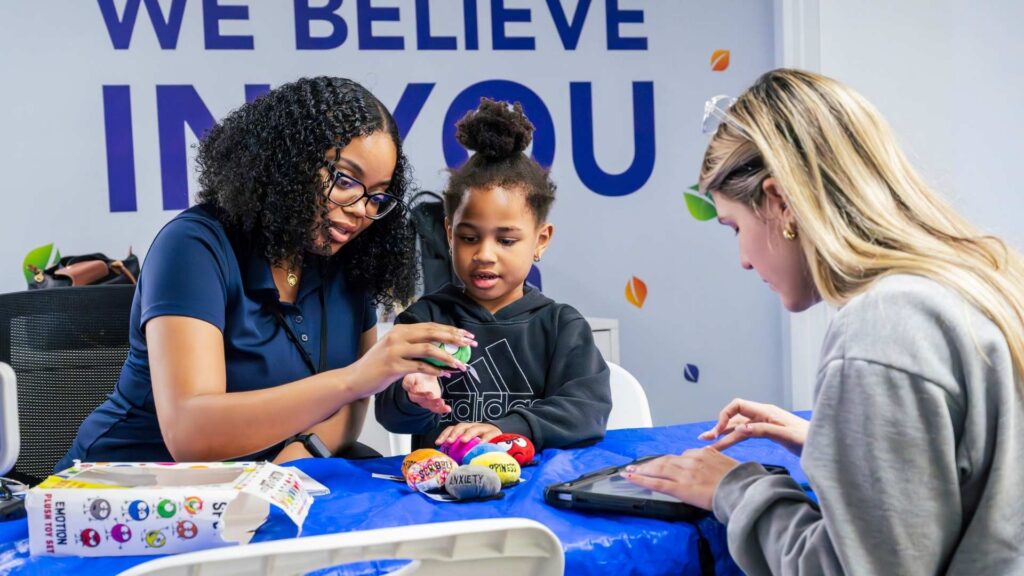
If you’re seeing early signs of autism in your baby, there are simple, meaningful ways to support your child today:
- Get face-to-face during playtime
- Narrate what you’re doing throughout the day
- Encourage gestures like pointing and waving
- Respond to every attempt to communicate
- Create predictable routines
- Track progress across milestones
These steps won’t replace professional guidance, but they can support development while you seek answers.
You’re Not Alone: ABA Centers of Virginia is Here to Help
If you’ve made it this far, it means you’re paying attention. And that matters.
Noticing signs of autism in a 12-month-old doesn’t mean something is “wrong.” It means you’re being proactive about your child’s development.
At ABA Centers of Virginia, we work with families every day who are navigating questions about early signs of autism and autism in toddlers overall. Whether you’re looking for clarity, evaluation, or early support, our team is here to guide you, step by step.
Take the Next Step with Confidence!
Call us at (855) 957-1892 or schedule a free consultation by clicking here. Let’s help you understand what’s going on and what your child needs to thrive.