
The Meaning Behind World Autism Awareness Day

World Autism Awareness Day: 3 Milestones in the History of Autism Acceptance

Table of Contents

Why Is Autism Awareness Day Celebrated on April 2?

April 2 is recognized around the world as World Autism Awareness Day. The date was set by the United Nations in 2007 to bring attention to autism and to encourage countries to improve support for individuals and families affected by it.

At the time, access to diagnosis, services, and education varied widely across regions. Establishing a single global day helped focus attention on those gaps and push for more consistent support systems.

At ABA Centers of Virginia, this day is a chance to step back and look at what has improved—and what still needs attention—when it comes to autism care, access, and understanding.

In this article, we’ll walk through how April 2 became the date associated with autism awareness and what it represents today.

How April 2 Became World Autism Awareness Day

World Autism Awareness Day was established on December 18, 2007, when the United Nations General Assembly recognized autism as a global public health priority, emphasizing international cooperation and focus.
 
April 2 was chosen to unite countries in focusing on autism-related issues and to create a global point of awareness.
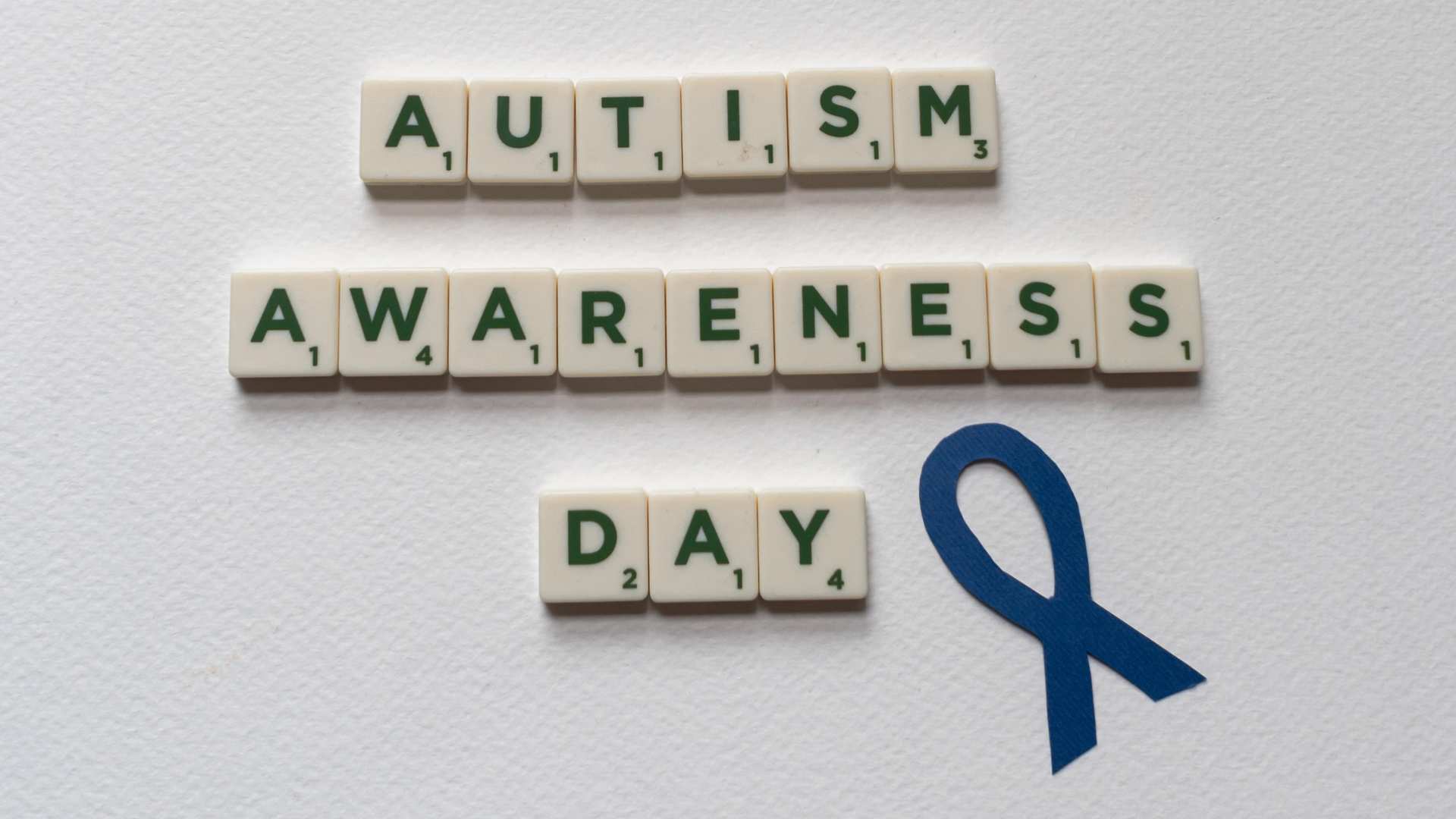
A blue rainbow with clouds above letter tiles spelling Autism Awareness Day and a blue ribbon
This date has been used by governments, healthcare providers, schools, and organizations to:
 
  • Share information about autism
  • Promote earlier diagnosis
  • Expand access to services
  • Encourage inclusion in education and employment
Over the years, participation has grown, and the day is now observed in many countries through campaigns, community events, and educational efforts.
 

What Autism Spectrum Disorder Means

Autism spectrum disorder (ASD) affects how a person communicates, interacts with others, and responds to their environment.
 
It’s called a spectrum because there isn’t a single way autism presents. Some individuals may need ongoing support in daily life, while others are more independent but still experience communication or sensory processing differences.
Common characteristics include:
 
  • Differences in social communication
  • Repetitive behaviors or routines
  • Sensory sensitivities
At the same time, many individuals with autism develop strong skills in areas such as pattern recognition, memory, and focused interests.
Support needs vary, which is why individualized approaches, especially early on, are important.

What Has Changed Since It Was Established?

When April 2 was first recognized as World Autism Awareness Day, public understanding of autism was still limited in many places. Since then, several things have shifted:

  • Diagnosis happens earlier in many cases
  • Access to therapies has expanded, though not equally everywhere
  • Schools and workplaces are more aware of inclusion needs
  • Families have more resources but still face barriers

There’s been progress, but it hasn’t been even. That’s one reason this day is still relevant.

How You Can Support Autism Acceptance and Inclusion

You don’t need to organize an event to make a difference. Small actions are often the most practical:

  • Learn how autism can look different from person to person
  • Be patient with different communication styles
  • Support environments that are more flexible and inclusive
  • Share accurate information when you can
  • Advocate for access to services when it’s needed
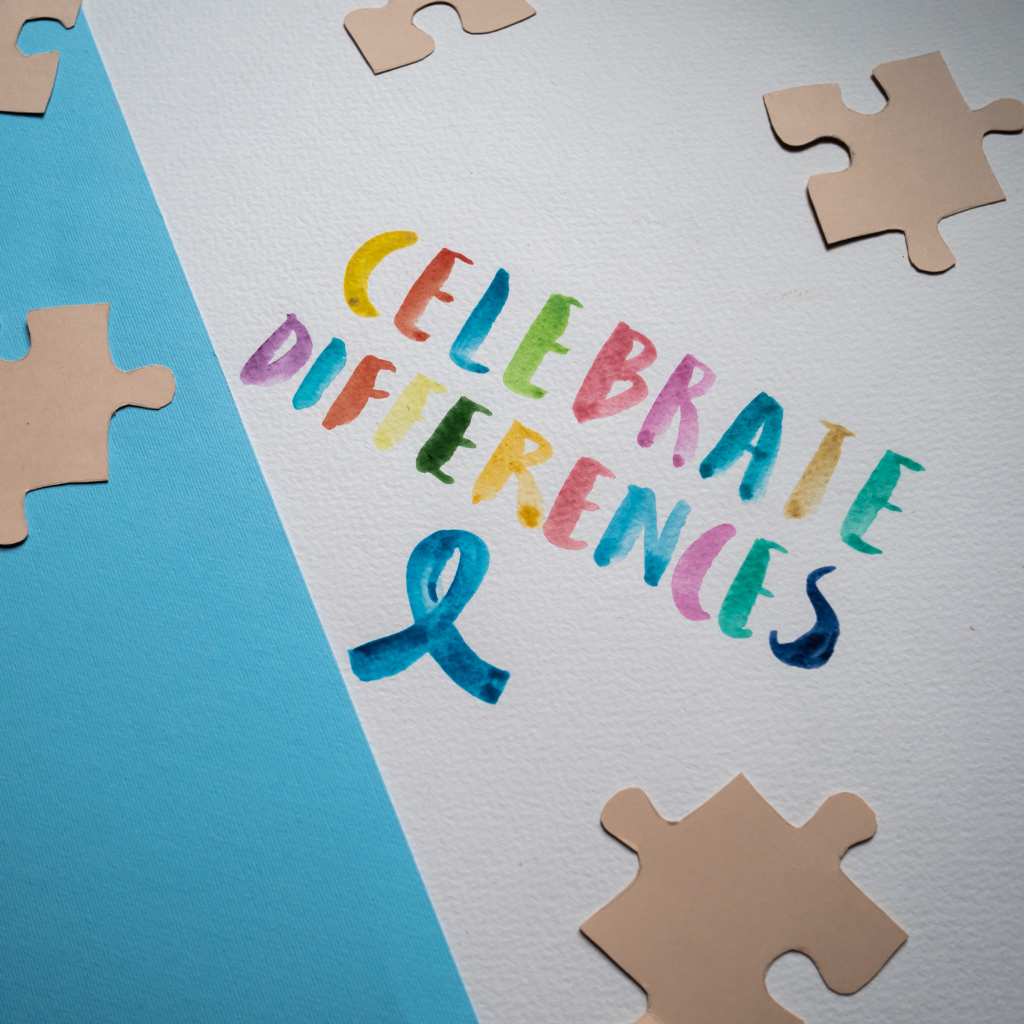
Bright text reading “Celebrate Differences” surrounded by tan puzzle pieces and a blue awareness ribbon

For families, support often starts with access—getting the right evaluation, therapy, and guidance early on.

ABA Centers of Virginia Offers Comprehensive ABA Support

At ABA Centers of Virginia, we firmly believe in the transformative potential of ABA therapy for individuals with autism and their families. Our highly skilled behavioral and dedicated professionals achieve positive outcomes through meticulously crafted and supervised therapy plans, resulting in remarkable developmental breakthroughs for our clients.

By incorporating the seven dimensions of ABA therapy, we commit to providing effective and professional care to the autistic community in Virginia.

Contact ABA Centers of Virginia by calling (855) 957 1892 or completing our online form with your inquiries. We’ll be pleased to respond! Applied behavior analysis is the optimal way to support your loved one with autism—start today!

Scroll to Top